
Patellar Tendinitis
Patellar Tendinitis
Jumpers' knee, pain in the front of the knee's patellar tendon, worsens with jumping and stairs.
# Possibility / Realistic Goals (2)
Q I was advised to have surgery by an orthopedic surgeon; can I avoid surgery through treatment at a Korean medicine clinic?
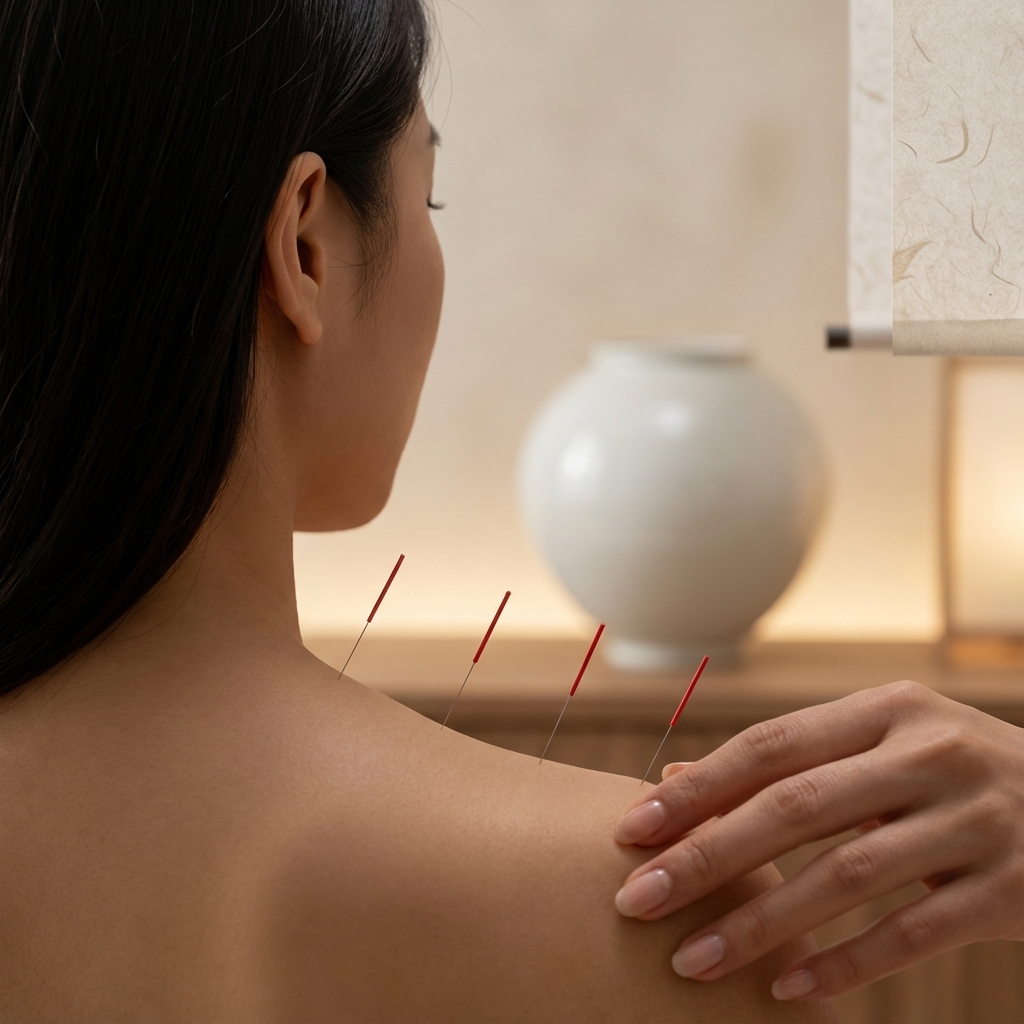
A. 70–80% of moderate patellar tendinitis cases recover without surgery through conservative treatment (rehabilitation, injections, and Korean medicine treatments). If ultrasound or MRI does not reveal a tendon rupture, it is not too late to decide on surgery after sufficiently trying treatments such as acupuncture needles and thread embedding. However, if a complete tendon rupture is confirmed, surgical repair may be necessary.
View details →Q I am a 50-year-old soccer player in Incheon. I am worried about whether I should give up exercising completely due to patellar tendinitis.
A. In many cases, even in your 50s, you can continue your hobby sport if you actively treat patellar tendinitis and complete rehabilitation. However, since the rate of tendon regeneration is slower than in youth, a longer treatment period is required, and managing exercise intensity is more important than for younger people. Rather than giving up, a strategy of returning gradually after a sufficient recovery is more realistic.
View details →# Comorbidities (1)
# Lifestyle Management (2)
Q Are there any exercises I can do while being treated for patellar tendinitis? Do I need to rest completely?
A. Maintaining low-intensity exercise within a pain-free range is actually more beneficial for recovery than complete rest. Exercises that put minimal impact on the knee, such as swimming, cycling, and water walking, help maintain muscle strength and aid in tendon regeneration. However, jumping, running, and stair climbing should be restricted until the pain has completely subsided.
View details →Q Is taping effective for patellar tendinitis? What about braces or knee pads?
A. Patella taping (McConnell technique) or Kinesio tape helps reduce pain by correcting the position of the patella and distributing the load on the patellar tendon. Knee braces (Patella straps) work by compressing the area directly below the patellar tendon to reduce tendon vibration, and studies suggest they reduce pain during exercise by approximately 30–40%. However, braces are for symptom relief and do not replace fundamental treatment.
View details →# Safety (1)
# Drug Combination / Interactions (1)
# Prognosis / Recovery (2)
Q How long does it usually take to recover from patellar tendinitis? I am also curious if it is possible to receive treatment while working.
A. It takes 4 to 8 weeks for mild cases, 3 to 6 months for moderate cases, and may take more than 6 months for chronic or structural damage. Outpatient treatment 2 to 3 times a week is possible while working, and in many cases, daily work is not significantly affected if strenuous exercise is temporarily reduced. The better the initial response to treatment, the better the prognosis.
View details →Q Will patellar tendinitis not recur once it is cured? I am worried about whether I should continue exercising.
A. Patellar tendinitis has a high recurrence rate, so gradual load increases, warm-up exercises, and stretching are essential when resuming exercise. Correcting muscle imbalances and improving lower limb alignment beforehand can significantly reduce the risk of recurrence. Most people can continue exercising if they return gradually after a sufficient recovery.
View details →# Causes Explained (2)
Q I am an office worker in my 30s, and recently, the front of my knee throbs every time I go up or down stairs. Why does patellar tendinitis occur?
A. Patellar tendinitis occurs when micro-damage accumulates due to repetitive overload on the patellar tendon (the tendon connecting the patella and the tibia) at the front of the knee. The risk increases with movements that involve bending the knee and bearing body weight, such as climbing stairs, using ramps, or jumping. Initially, it starts with pain after exercise, but if left untreated, pain can appear even during daily walking.
View details →Q I am in my 40s and enjoy playing badminton in Dongincheon. I suddenly developed patellar tendinitis; is it related to my athletic technique or physical condition?
A. Biomechanical factors play a significant role in patellar tendinitis, in addition to the amount of exercise. Muscle strength imbalances in the quadriceps and hamstrings, foot overpronation, and habits of short stretches all place an abnormal load on the patellar tendon. Technically, the risk increases if the knee repeatedly tilts inward during jump landings.
View details →# Food / Triggers (2)
Q Are there any foods that are good or bad for patellar tendinitis? I am wondering if diet can help with recovery.
A. Vitamin C (kiwi and bell peppers), Omega-3 (fatty fish), and antioxidant foods (berries and green and yellow vegetables), which aid in collagen synthesis, are beneficial for tendon recovery. Conversely, fried foods, processed meats, sugars, and alcohol increase the body's inflammatory response, slowing down recovery. Since protein is also essential for tendon collagen resynthesis, it is recommended to consume at least 1.2g of body weight (kg) per day.
View details →Q Are there any behaviors in daily life other than exercise that worsen patellar tendinitis? Should I also avoid stairs or squatting?
A. Climbing stairs, squatting for long periods, walking on ramps, and standing for extended periods all place repetitive strain on the patellar tendon. Pain is particularly severe when descending downhill or stairs due to the concentration of eccentric loads. It is important to reduce these movements during the acute phase and, after recovery, to gradually return to rehabilitation exercises that progressively increase the load.
View details →# Treatment Schedule (1)
# Treatment Stages (2)
Q What kind of treatment do I receive if I visit a Korean medicine clinic in the early stages of patellar tendinitis? I would like to know what is done during the first visit.
A. During the initial consultation, the onset time, location of pain, and aggravating factors are identified through a medical history and physical examination, and an ultrasound examination is performed if necessary. Treatment begins with acupuncture to reduce swelling and heat, electrical stimulation, cold compresses, and taping, with the addition of pharmacopuncture to enhance local anti-inflammatory effects.
View details →Q The pain has decreased significantly, but I still experience discomfort when climbing stairs. What kind of treatment is received at this stage?
A. Once pain subsides and daily activities become possible, internal tendon regeneration is actively induced using acupuncture needles and thread embedding. Simultaneously, quadriceps eccentric exercise rehabilitation is initiated to restore muscle strength. Since this period is the critical stage for properly repairing the tendon, it is important to maintain the treatment.
View details →# Effectiveness (2)
Q Is treatment at a Korean medicine clinic actually effective for patellar tendinitis? I am curious about the differences compared to physical therapy.
A. Research has confirmed that the mechanism by which acupuncture and moxibustion treatments reduce pain involves increasing blood flow within the tendons and suppressing inflammatory cytokines. While physical therapy primarily focuses on muscle strengthening and eccentric exercise rehabilitation, Korean medicine treatments create an environment for the regeneration of the tendons themselves and address general systemic weakness. The two treatments are most effective when combined in a complementary manner.
View details →Q I have been suffering from patellar tendinitis for over six months, and I suspect it has already become chronic. Can I get better with treatment at a Korean medicine clinic?
A. Although it is known that a complete cure for chronic patellar tendinitis is difficult, stimulating tissue regeneration through needle acupuncture and thread embedding treatments can lead to significant improvement even in long-standing symptoms. The more chronic the condition, the more time is required because it involves a combination of internal tendon adhesions and general systemic weakness. Functional recovery and pain reduction are possible when consistent treatment is combined with rehabilitation exercises.
View details →Patellar Tendinitis is not just a simple symptom
Korean medicine that considers both your constitution and lifestyle rhythm treats the root cause.
From consultation to precise treatment, we provide personalized care.
Prescriptions tailored to your constitution and symptoms treat the root cause
The director personally sees you from first to follow-up visits
We identify the essence through Sasang constitution, pulse and abdominal diagnosis
Treatment based on long clinical experience and evidence
Was this helpful? If you need accurate care for your condition, please contact us below.