
Q What causes calcium deposits to form in the shoulder? I am a housewife in my 50s, and I suddenly experienced severe pain.
A Calcium deposits form when blood circulation within the tendon decreases or tendon cells undergo degenerative changes, causing calcium to be deposited in the tendon tissue. It is most common in the rotator cuff tendons, and severe pain accompanies the process of calcium absorption. It occurs particularly frequently in women in their 40s to 60s and is characterized by the sudden onset of pain without any apparent trauma.
Detailed Answer
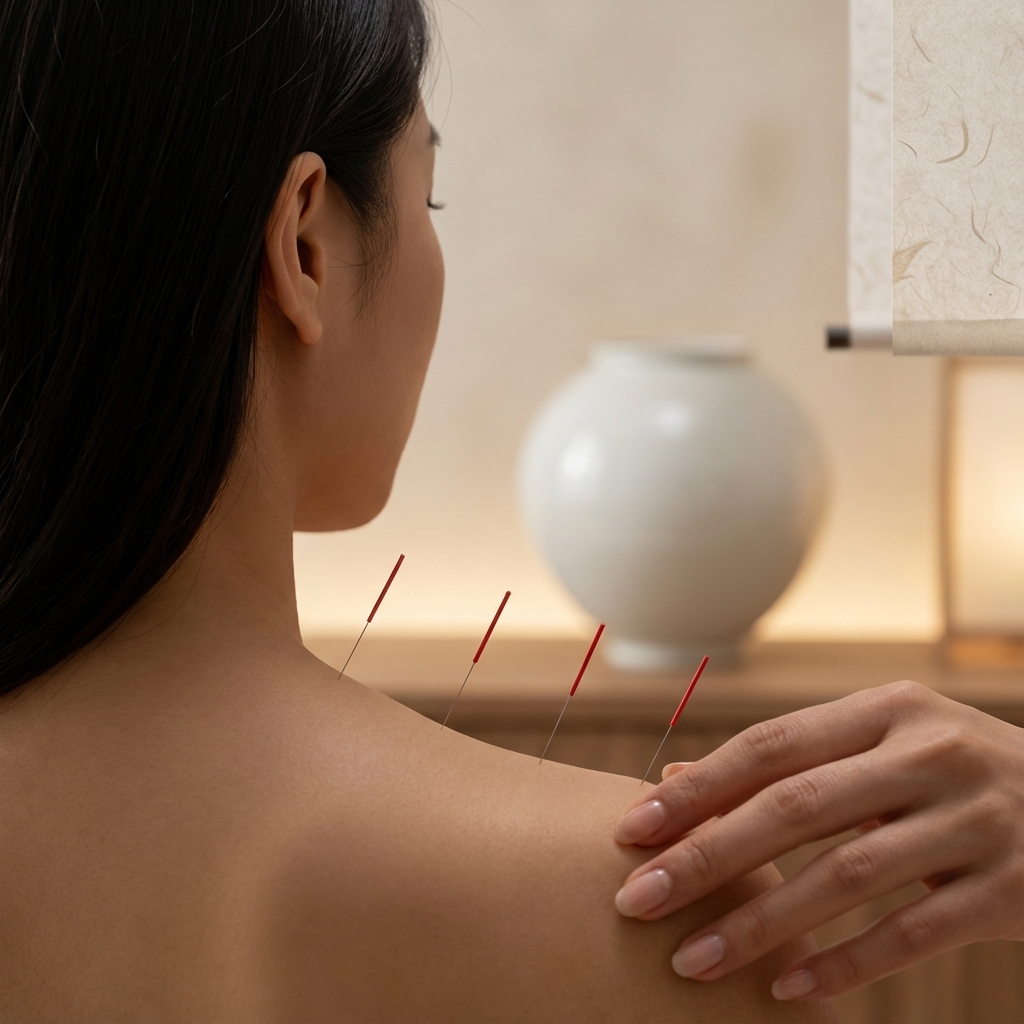
Calcific tendinitis is a condition in which calcium crystals are deposited within the tendon (primarily the supraspinatus tendon of the rotator cuff). Insufficient oxygen supply to tendon cells, reduced local blood circulation, and degenerative changes in the tendon are known to be the main causes. While pain is absent or mild during the calcium formation phase, severe pain persists for several days accompanied by an inflammatory response during the acute phase when the calcium is absorbed or broken down. It is common in people aged 40 to 60, especially women, and the incidence is high when diabetes or thyroid disease is present. In Korean medicine, it is understood that when the energy of the kidneys, which govern bones, and the energy of the liver, which governs tendons, decline, the energy and blood circulation around the tendons and bones weaken. Consequently, sticky waste products (phlegm) and stagnant blood (blood stasis) accumulate in the pathways where qi and blood flow, leading to the formation of calcific tendinitis. During the period around menopause, when the yin energy of the kidneys decreases, if the vital essence and blood of the liver and kidneys fail to sufficiently nourish the tendons, sticky waste products become fixed, resulting in changes similar to calcium deposition. At Dongjedang, we aim for a recovery without recurrence by using thick needles to release adhesions around hardened calcium deposits and combining this with herbal medicine treatment to flush out accumulated waste products and stagnant blood from the body.
Related FAQs
-
Q
I was recommended surgery by an orthopedic surgeon; can I receive treatment at a Korean medicine clinic without surgery?
#Possibility / Realistic Goals
-
Q
Will calcium deposits reappear even after treatment? I am curious about the possibility of recurrence.
#Possibility / Realistic Goals
-
Q
I have calcific tendinitis in my shoulder, and it feels like my shoulder is stiffening. Does frozen shoulder occur at the same time?
#Comorbidities
-
Q
Can I exercise while being treated for calcific tendinitis? What exercises are good and bad?
#Lifestyle Management
-
Q
Is a cold compress better for calcific tendinitis of the shoulder, or a hot compress?
#Lifestyle Management