
Calcific Tendinitis
Calcific Tendinitis
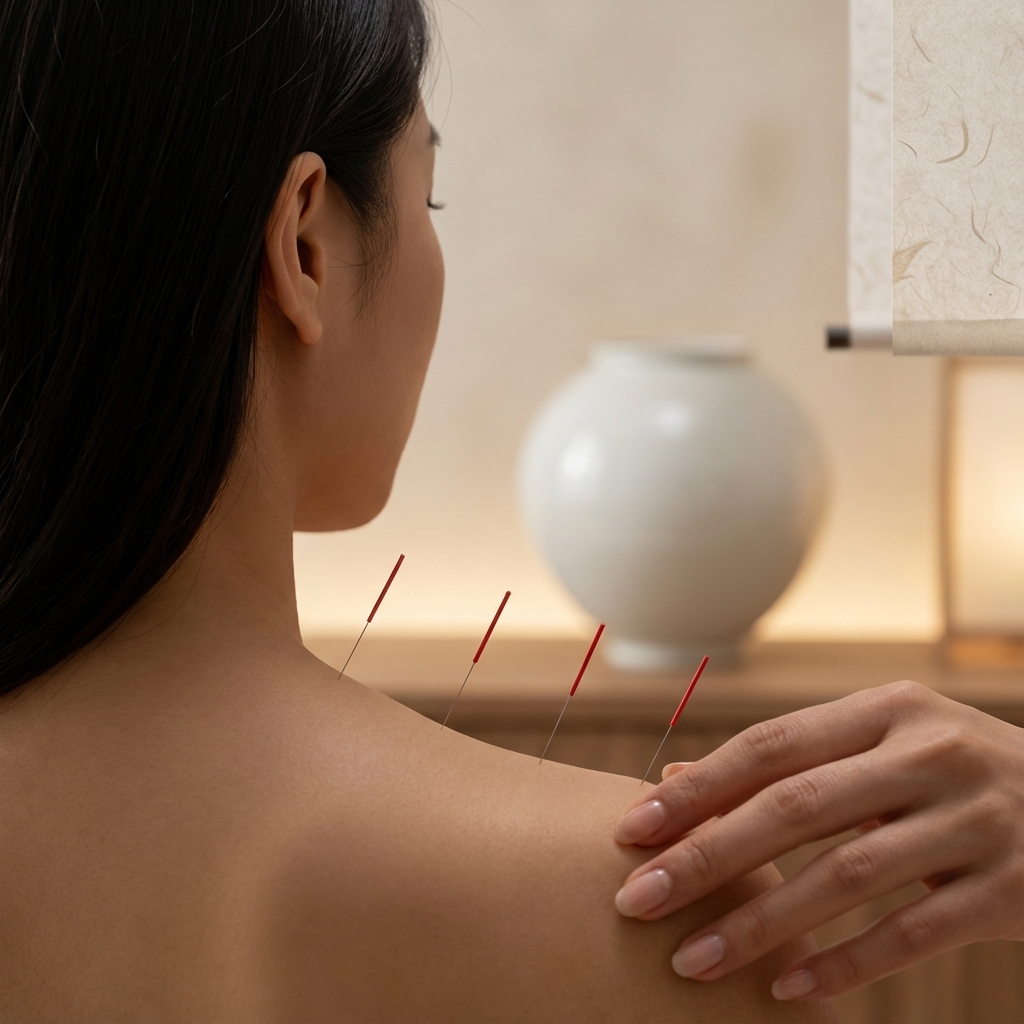
Calcific tendinitis, a condition in which calcium deposits accumulate in the shoulder tendons, causing sudden and severe pain.
# Possibility / Realistic Goals (2)
Q I was recommended surgery by an orthopedic surgeon; can I receive treatment at a Korean medicine clinic without surgery?
A. Even if the calcification is large (2cm or more), it is well worth attempting moxibustion, fire acupuncture, and ultrasound-guided treatments before surgery. Surgery (arthroscopic calcification removal) is a last resort considered when conservative treatment fails for more than 6 months. Since there are cases where surgery has been avoided or postponed through treatment at a Korean medicine clinic, we recommend trying intensive treatment first.
View details →Q Will calcium deposits reappear even after treatment? I am curious about the possibility of recurrence.
A. Although the recurrence rate of calcific tendinitis is not high, there is a possibility of recurrence if underlying causes such as reduced blood flow to the tendons and constitutional factors are not corrected. Tendon strengthening exercises, posture correction, and addressing constitutional weaknesses that cause recurrence are key to preventing it. It is recommended to monitor for recurrence using ultrasound within one year of treatment.
View details →# Comorbidities (1)
# Lifestyle Management (2)
Q Can I exercise while being treated for calcific tendinitis? What exercises are good and bad?
A. During the acute phase, the priority is to rest the shoulder and avoid movements that cause pain. During the recovery phase, when pain has subsided, rotator cuff strengthening exercises (band exercises, internal and external rotation exercises) and stretching help prevent recurrence. Movements such as raising the arms overhead, lifting heavy objects, and freestyle swimming should be avoided during the acute phase.
View details →Q Is a cold compress better for calcific tendinitis of the shoulder, or a hot compress?
A. During the acute pain and swelling phase, cold compresses (3 to 4 times a day, 15 to 20 minutes each time) are effective in reducing inflammation. Once the acute phase passes and you enter the chronic or recovery phase, using hot compresses to promote blood circulation helps with tendon recovery. It is important to differentiate between hot and cold compresses based on your condition.
View details →# Safety (1)
# Drug Combination / Interactions (1)
# Prognosis / Recovery (2)
Q Does calcific tendinitis heal on its own if left alone? Is treatment absolutely necessary?
A. In some cases, the calcium deposits in calcific tendinitis are naturally absorbed over several months to years; however, severe pain may recur during this process, and tendon damage may remain. If left untreated, it can lead to complications such as limited range of motion in the shoulder and adhesive capsulitis (frozen shoulder). Early treatment is recommended to reduce acute pain and ensure a recovery without tendon damage.
View details →Q How long does treatment at the Korean medicine clinic take? I work in Dongincheon; how long do I need to visit?
A. While it varies depending on the size of the calcification and the severity of symptoms, significant improvement in acute pain relief is often seen within 2 to 4 weeks. Treatment is generally recommended for 1 to 3 months to allow for calcification absorption and tendon recovery; the frequency is typically reduced from 2 to 3 times a week initially to once a week thereafter. Appointments can be arranged to accommodate office workers visiting during their lunch break or after work.
View details →# Causes Explained (2)
Q What causes calcium deposits to form in the shoulder? I am a housewife in my 50s, and I suddenly experienced severe pain.
A. Calcium deposits form when blood circulation within the tendon decreases or tendon cells undergo degenerative changes, causing calcium to be deposited in the tendon tissue. It is most common in the rotator cuff tendons, and severe pain accompanies the process of calcium absorption. It occurs particularly frequently in women in their 40s to 60s and is characterized by the sudden onset of pain without any apparent trauma.
View details →Q I developed calcific tendinitis even though I exercise consistently. Why do people who exercise get it?
A. Since calcific tendinitis is primarily caused by degenerative changes in tendons due to overuse, reduced local blood flow, and degeneration of tendon cells, it can occur regardless of whether or not one exercises. In fact, sports involving repetitive shoulder movements (such as swimming and tennis) can accumulate micro-damage to the tendons, leading to calcium deposition. The decline in tendon cell metabolism associated with increasing age is also a significant factor.
View details →# Food / Triggers (2)
Q Does consuming a lot of calcium cause more calcification? I am wondering if dietary management is necessary.
A. There is no evidence that dietary calcium intake directly causes or worsens calcific tendinitis. Calcification is not formed by the deposition of calcium in the blood into the tendons, but rather by metabolic abnormalities within the tendon cells themselves. In fact, since calcium and vitamin D deficiencies are detrimental to tendon and musculoskeletal health, it is advisable to maintain a balanced diet.
View details →Q I have a job that involves heavy use of my shoulders; will calcific tendinitis recur? Are there any triggering postures?
A. Repeatedly using the arms above shoulder height or maintaining postures that constrict the shoulders for extended periods (such as computer work or cooking) reduces blood flow to the rotator cuff, increasing the risk of calcification recurrence. The supraspinatus tendon is particularly vulnerable when the motion of extending and lifting the arm forward is repeated. Posture correction and exercises to strengthen shoulder stabilizing muscles are key to preventing recurrence.
View details →# Treatment Schedule (1)
# Treatment Stages (2)
Q What are the treatment stages for calcific tendinitis? In what order is treatment performed upon the first visit?
A. Upon the first visit, the location and size of the calcification are confirmed via ultrasound, and acupuncture and pharmacopuncture treatment are initiated to alleviate acute pain. Subsequently, the process progresses to stages where adhesions around the calcification are released using fine needles, and tendon regeneration is promoted using fire needles and thread embedding. During the recovery phase, the frequency of treatment is reduced to once a week, and management is provided to prevent recurrence.
View details →Q I have had calcific tendinitis for 6 months. How is treatment different in the chronic stage?
A. In chronic calcific tendinitis, the calcium deposits often harden (type A), making natural absorption slow. In this case, active treatment is required to detach the hardened calcium tissue using a fine needle and induce neovascularization with fire acupuncture. Thread embedding and bee venom acupuncture support tendon tissue regeneration, and herbal medicine is administered concurrently to improve the patient's constitution.
View details →# Effectiveness (2)
Q Does acupuncture actually eliminate calcium deposits? I am curious about the effectiveness of treatment at a Korean medicine clinic.
A. While acupuncture treatment itself does not directly break down calcium deposits, it aids in calcium absorption and accelerates recovery through improved blood circulation, reduced inflammation, and pain relief. Clinical reports indicate that *Dochim* (knife needles) release adhesions around calcium deposits to create an environment for tendon recovery, while *Hwachim* (fire needles) promote calcium dissolution. Acupuncture and pharmacopuncture treatments are effective for symptom relief during the acute phase when pain is severe.
View details →Q Is treatment at a Korean medicine clinic sufficient without injections (extracorporeal shockwave therapy, steroids) for shoulder calcification?
A. For mild to moderate calcific tendinitis, sufficient improvement is possible with Korean medicine treatments alone (acupuncture, moxibustion, fire acupuncture, and pharmacopuncture). However, if the calcification is very large or does not respond to conservative treatment, extracorporeal shockwave therapy or other procedures may be necessary; therefore, a treatment plan is established after evaluating the condition with ultrasound during the initial visit. Korean medicine treatment and shockwave therapy can be combined in a complementary manner.
View details →Calcific Tendinitis is not just a simple symptom
Korean medicine that considers both your constitution and lifestyle rhythm treats the root cause.
From consultation to precise treatment, we provide personalized care.
Prescriptions tailored to your constitution and symptoms treat the root cause
The director personally sees you from first to follow-up visits
We identify the essence through Sasang constitution, pulse and abdominal diagnosis
Treatment based on long clinical experience and evidence
Was this helpful? If you need accurate care for your condition, please contact us below.