

Blog May 29, 2026
Hospital Tests Are Normal But Stomach Still Hurts: 'Nervous' Irritable Bowel Syndrome

Jang-Hyeok Choi, KMD
Head Doctor
 🧾 Answer First | Key Conclusion
Yes, your stomach can hurt even if hospital test results are normal.
This symptom that many people experience is very likely 'irritable bowel syndrome.'
Irritable bowel syndrome refers to a state where intestinal function becomes sensitive due to stress and anxiety.
This is by no means simply a digestive organ problem.
You must have felt frustrated not finding the cause as your stomach frequently hurts and feels uncomfortable.
However, please have hope as this can definitely improve.
 ✅ Action | Immediate Implementation
Here are three methods you can implement right now to alleviate irritable bowel syndrome symptoms.
You will definitely feel relief if you consistently try them.
1️⃣ Keep a Food Diary
Carefully record what foods cause stomach discomfort.
Identifying foods that don't agree with you is most important.
Check if symptoms worsen after consuming dairy products or spicy foods.
A low FODMAP diet may help some people.
2️⃣ Regular Relaxation Exercise
Light walks or stretching effectively relieve intestinal tension.
Activities like yoga or meditation are also good for calming the mind.
Make sure to take at least 10 minutes a day for mental relaxation.
Stress directly affects the intestines and can cause tension.
3️⃣ Secure Sufficient Sleep
When sleep is insufficient, the intestines also become sensitive and symptoms worsen.
Get at least 7 hours of quality sleep to aid your body's recovery.
Regular sleep habits greatly help establish overall body balance.
Adequate sleep is like a tonic for our bodies.
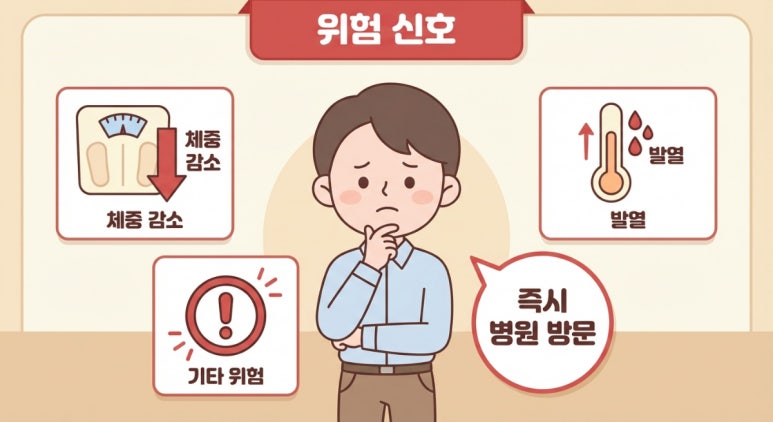 🚨 Warning | Warning Signs to Check
It may not be simple nerve pain, so you must be careful.
If you experience the following symptoms, you must visit a hospital immediately.
These symptoms may indicate other conditions besides irritable bowel syndrome[1].
✔ Blood in stool or black stool during bowel movements
If you see blood mixed in your stool or black stool, consult a medical professional immediately.
✔ Unexplained weight loss
If weight decreases noticeably without diet control or exercise, detailed testing is needed.
✔ Fever and night sweats
Unexplained fever or excessive sweating at night may suggest inflammation.
✔ Family history
Extra caution is needed if family members have inflammatory bowel disease or colorectal cancer.
If you have these symptoms, I recommend detailed testing first.
Do not delay valuable time with self-diagnosis alone.
 🧠 The Why
Continuing stomach pain despite normal hospital test results is absolutely not malingering.
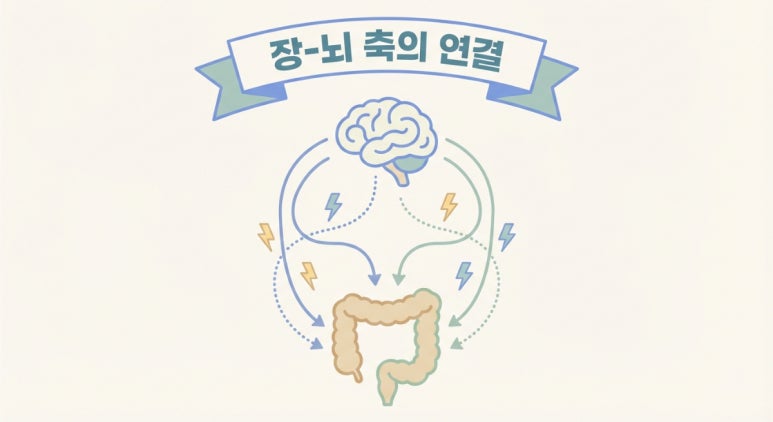
Our brain and intestines are closely connected.
We call this connection the 'gut-brain axis.'
When stressed, neurotransmitters secreted by the brain directly affect the intestines.
The intestines react sensitively as if they are receiving the stress themselves.
For this reason, regular painkillers or digestive aids may be difficult to resolve[2].
Due to gut-brain axis imbalance, intestines react sensitively to stress.
This can trigger various symptoms such as abdominal pain, diarrhea, and constipation.
In traditional Korean medicine, this is diagnosed as 'liver qi stagnation' or 'liver-spleen disharmony'[3].
'Liver qi stagnation' refers to a state where qi becomes blocked and congested due to stress, causing reduced or excessive intestinal movement.
'Liver-spleen disharmony' means weakened digestive function and sensitive intestinal mucosa, leading to easily occurring digestive disorders.
📊 Proof | Cases and Evidence
I believe treatment that addresses both intestinal and brain function to restore overall body balance is important.
Many patients I have met in clinical practice have had similar experiences.
Many cases show sudden stomach pain or diarrhea before important presentations.
Some patients reported experiencing heightened intestinal sensitivity during stressful periods.
One 30-something office worker patient visited the restroom on every commute due to chronic stress.
Another 40-something patient experienced cold stomach and repeated diarrhea whenever tense.
For these patients, hospital tests could not identify any particular cause.
However, symptoms improved through traditional Korean medicine treatment that understood the gut-brain axis connection and restored body balance.
Ultimately, the stomach can become an indicator of our body's stress level.
This demonstrates the importance of intestinal function and autonomic nervous system regulation from a traditional Korean medicine perspective[4].
🔚 Closing | Summary and Encouragement
If your stomach continues to hurt despite normal hospital test results,
you can suspect irritable bowel syndrome.
Restoring gut-brain axis balance is most important.
From now on, actively understand and manage signals your body is sending.
Consistent effort will definitely help create a comfortable intestinal state.
I always support your healthy and vibrant daily life.
✍️ Reviewed by Director Choi Jang-hyeok, Dongjjedang Korean Medicine Clinic
❓ FAQ
Q. Why do irritable bowel syndrome symptoms continue even after taking hospital medication?
Hospital medications often focus mainly on symptom relief.
If the underlying intestinal sensitivity is not addressed, symptoms may recur.
If gut-brain axis imbalance is not resolved, medication effects may be temporary.
Q. How should I manage diet for nervous irritable bowel syndrome?
Foods to avoid appear differently depending on intestinal condition.
It is good to first reduce consumption of dairy products, wheat flour, and spicy foods.
It is important to closely monitor individual responses and adjust accordingly.
Q. Can irritable bowel syndrome be treated at a Korean medicine clinic?
Yes, traditional Korean medicine helps normalize intestinal function by balancing the gut-brain axis.
Acupuncture, moxibustion, and herbal treatments that help stress relief and improve intestinal function are effective.
It can have positive effects on improving intestinal mucosa inflammation.
Q. Can irritable bowel syndrome be completely cured?
Symptoms can definitely improve if managed effectively and intestinal health is improved.
You can expect to recover a healthy daily life approaching a cured state.
Consistent treatment along with lifestyle habit improvement is very important.
The ultimate goal is to achieve a comfortable intestinal state.