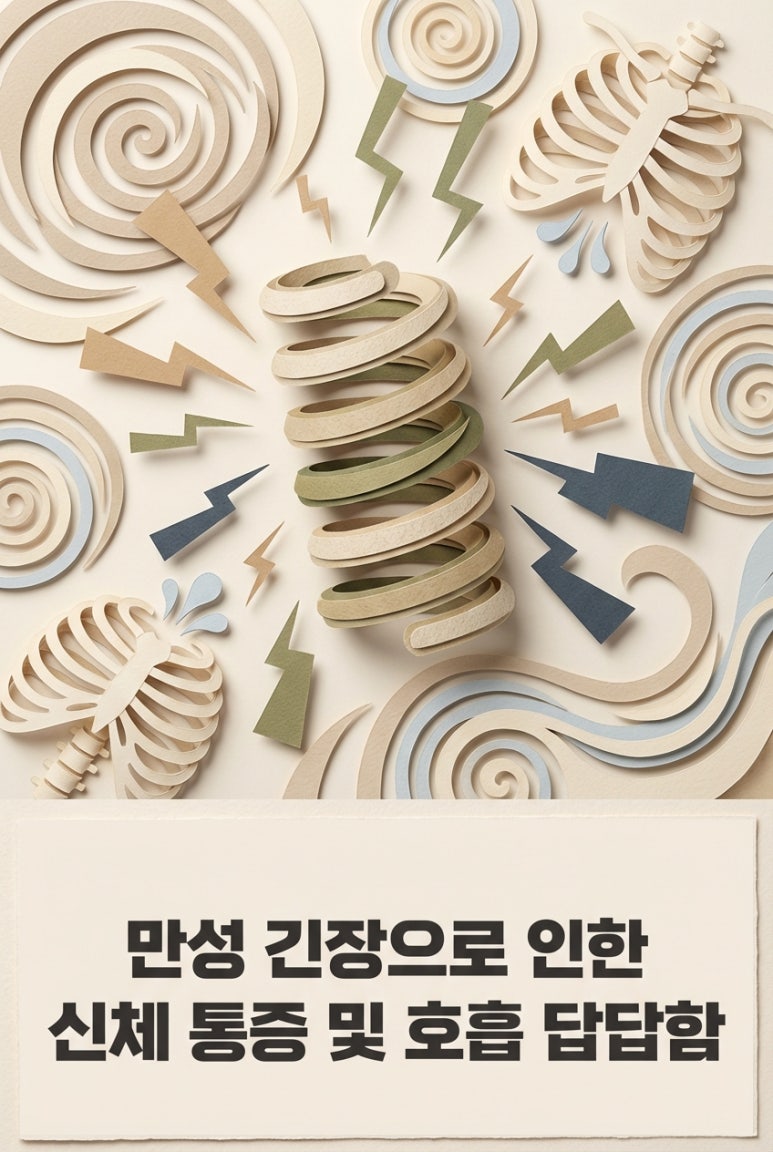
Body Pain and Breathing Discomfort Due to Chronic Tension

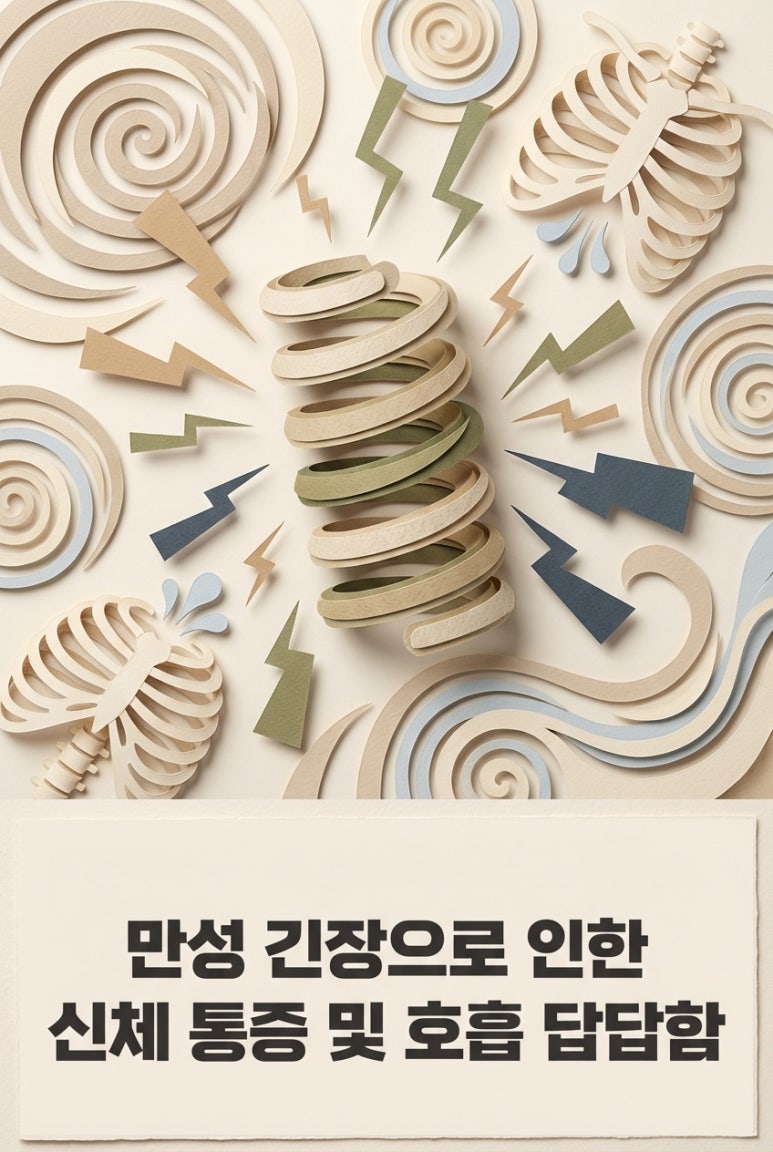 🧾 Answer First | Core Conclusion
Are your neck and shoulders painfully tight, and does your chest feel stuffy and blocked?
I am Dr. Choi Jang-hyuk, Director of Dongjejdang Korean Medicine Clinic.
Even if hospital tests show no abnormalities, your pain is very real.
This symptom is not simply muscle tension or common gastrointestinal disease.
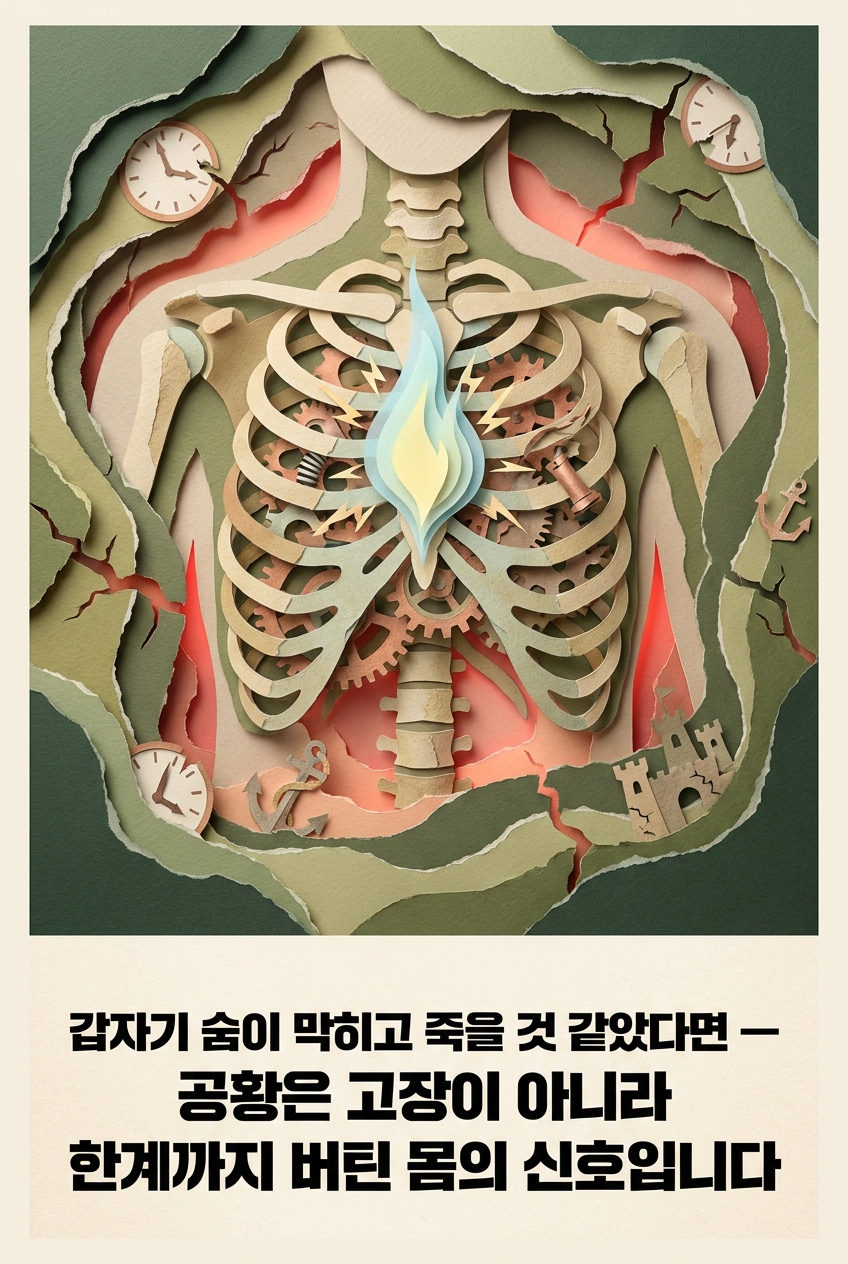
It is an emergency distress signal sent by your autonomic nervous system when it becomes overloaded from prolonged stress.
Do not merely suppress the pain; you must relieve the tension in your brain and nerves.
I will share three things you can implement immediately.
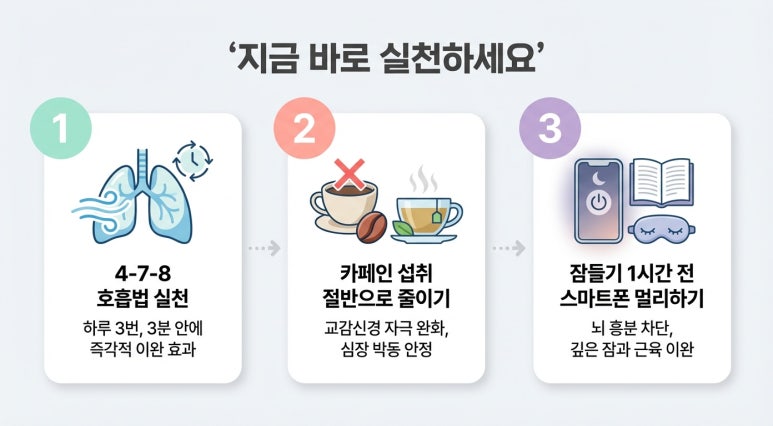
✅ Action | Immediate Implementation
1️⃣ Practice the 4-7-8 breathing technique three times daily
This is a method to immediately activate your relaxation nervous system when your chest feels stuffy.
Inhale through your nose for 4 seconds, hold your breath for 7 seconds, then exhale slowly through your mouth for 8 seconds.
If you practice this breathing technique correctly alone, 70% of your symptoms will subside within 3 minutes.
2️⃣ Reduce your daily caffeine intake by half
Excessive coffee consumption due to fatigue strongly stimulates your sympathetic nervous system.
This accelerates heart rate and worsens chest tightness[1].
Starting today, replace coffee with warm water or decaffeinated tea.
3️⃣ Keep your smartphone away one hour before sleep
Your brain perceives screen light as a strong stimulus.
If you use your smartphone until just before sleep, your brain remains in an awake state.
Your body must fully relax to achieve deep sleep and release tightened muscles.
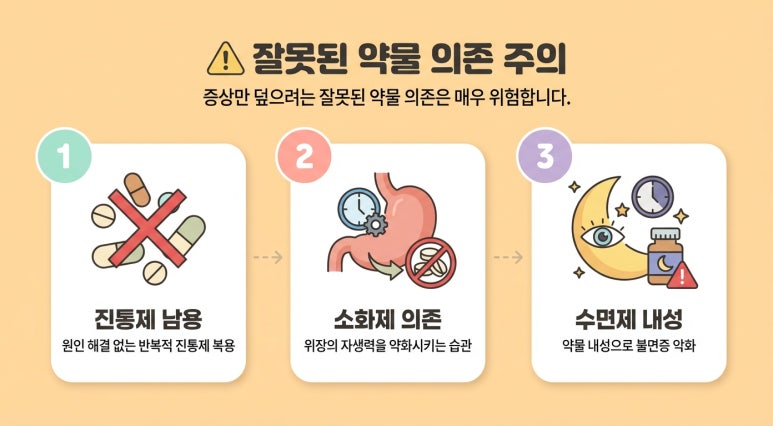
🚨 Warning | Critical Warning Signs to Check
Relying on medications merely to mask symptoms is very dangerous.
Many people repeatedly make the following mistakes without understanding the root cause.
✔ Overuse of painkillers and muscle relaxants
Do you take painkillers daily because your shoulders hurt?
Since the pain originates from nerve stiffness, you have likely experienced that muscle relaxants are ineffective.
✔ Habit of relying on digestive aids
The root cause of a stalled digestive system is brain stress.
Frequent use of digestive aids actually deprives your stomach of its ability to function independently.
✔ Tolerance to sleep-inducing medication
Although you seek medication out of fear of nighttime, if you develop tolerance to sleep aids, insomnia worsens.
Silently enduring it alone due to concerns about side effects is not the right answer either.
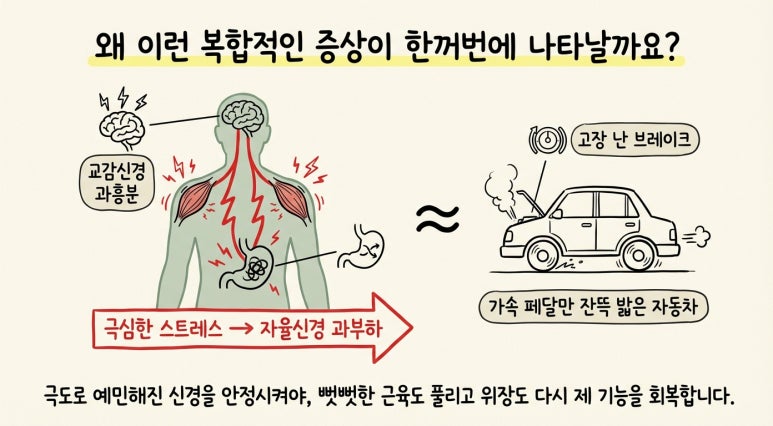 🧠 The Why | Understanding the Cause
Why do these complex symptoms appear all at once?
When our body experiences excessive stress, it shifts into 24-hour combat mode.
When your sympathetic nervous system becomes extremely hyperactive, it contracts neck and shoulder muscles like rope, making them rigid.
Simultaneously, blood flow to the stomach is blocked, causing severe indigestion.
With chest muscles also tightening, breathing becomes shallow and difficult[2].
It is exactly like a car with the accelerator pressed hard and the brakes broken.
The engine is about to explode, but merely cleaning the exterior dust does not fix the car.
Only by stabilizing the overly sensitized nerves can the stiff muscles relax and the stomach recover its function.
📊 Proof | Cases and Evidence
This is the story of a patient in her 30s working in an office whom I met in my clinical practice.
She suffered severely from extreme shoulder pain and chest tightness, visiting multiple hospitals in desperation.
From my experience, when chasing only the visible pain in such cases, treatment progresses very slowly.
I prescribed my patient autonomic nervous system regulation herbal medicine to focus on cooling the brain's overload.
Simultaneously, I improved sleep quality with stress tension relief herbal medicine[4].
Exactly one month after acupuncture treatment loosened her rigid thorax, she recovered a comfortable daily life without relying on painkillers.
Over 80% of patients I have seen in clinical practice experience such marked improvement within the first 4 weeks.
 🔚 Closing | Summary and Encouragement
Tension and stress accumulated over long periods make our body rigid like a stone.
Unexplained pain and breathing difficulties are not due to you being overly sensitive.
They are a grateful warning alarm telling you that your body now needs rest.
Please start the breathing technique and lifestyle rules I shared with you today immediately.
If it feels too overwhelming to manage alone, please ask for my help anytime.
I will sincerely support you so that you can breathe comfortably again.
✍️ Reviewed by Dr. Choi Jang-hyuk, Director of Dongjejdang Korean Medicine Clinic
❓ FAQ
Q. Is chest tightness also an early symptom of panic disorder?
Yes, chest tightness without specific physical causes and shallow breathing are representative early symptoms.
If accompanied by heart palpitations or dizziness, autonomic nervous system dysfunction should be suspected.
Detecting these signs early and stabilizing the brain nerves is most important.
Q. Is it possible to manage chronic tension and pain without medication?
Yes, relief is entirely possible through daily routine changes and breathing technique correction.
The 4-7-8 breathing technique mentioned earlier stimulates your relaxation nerves, and reducing caffeine is the first step.
Rather than relying solely on temporary painkillers, you must create an environment that builds your body's natural healing power.
Q. How does a Korean medicine clinic treat autonomic nervous system problems?
Yes, through acupuncture and customized herbal medicine, we turn off the switch of the overly excited sympathetic nervous system.
Acupuncture treatment gently relaxes rigidly stiffened thorax and shoulder muscles, making breathing comfortable[3].
Subsequently, through herbal medicine tailored to the individual's constitution and symptoms, we fundamentally restore the balance of the disrupted autonomic nervous system.
📚 Reference Materials
Explanation | Western Medical Perspective
[1] NICE (2023). "Generalised anxiety disorder and panic disorder in adults: management"
[2] BMJ Best Practice (2022). "Panic disorder - Management"
Explanation | Korean Medicine Perspective
[3] Korean Academy of Korean Medicine CPG (2021). "Korean Medicine Clinical Practice Guideline for Panic Disorder"
[4] NIKOM (2020). "Korean Medicine Treatment of Anxiety Disorder and Hwa-byung"