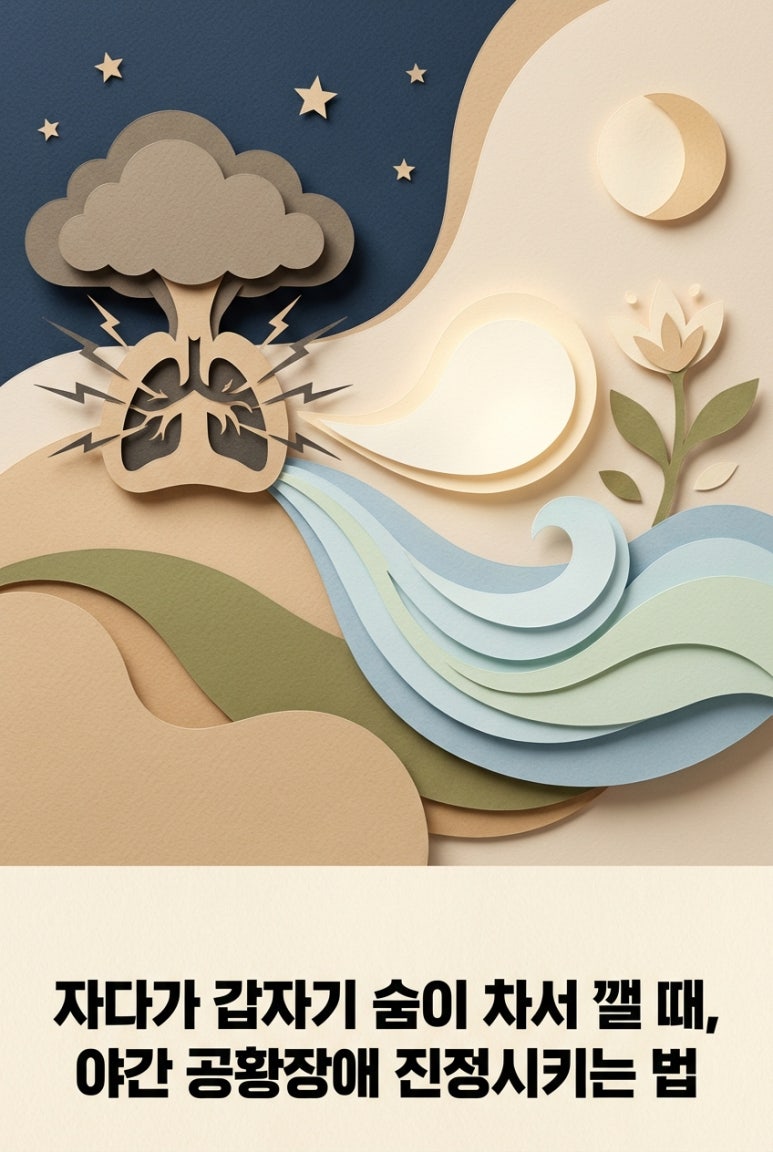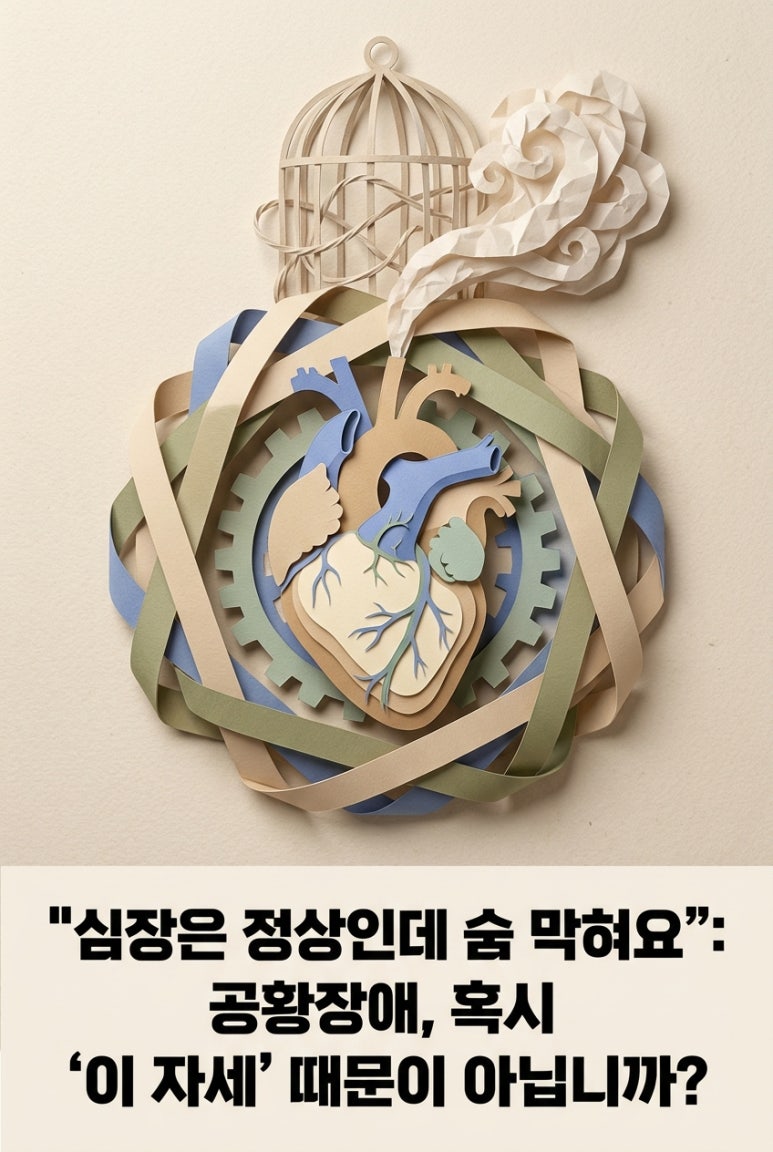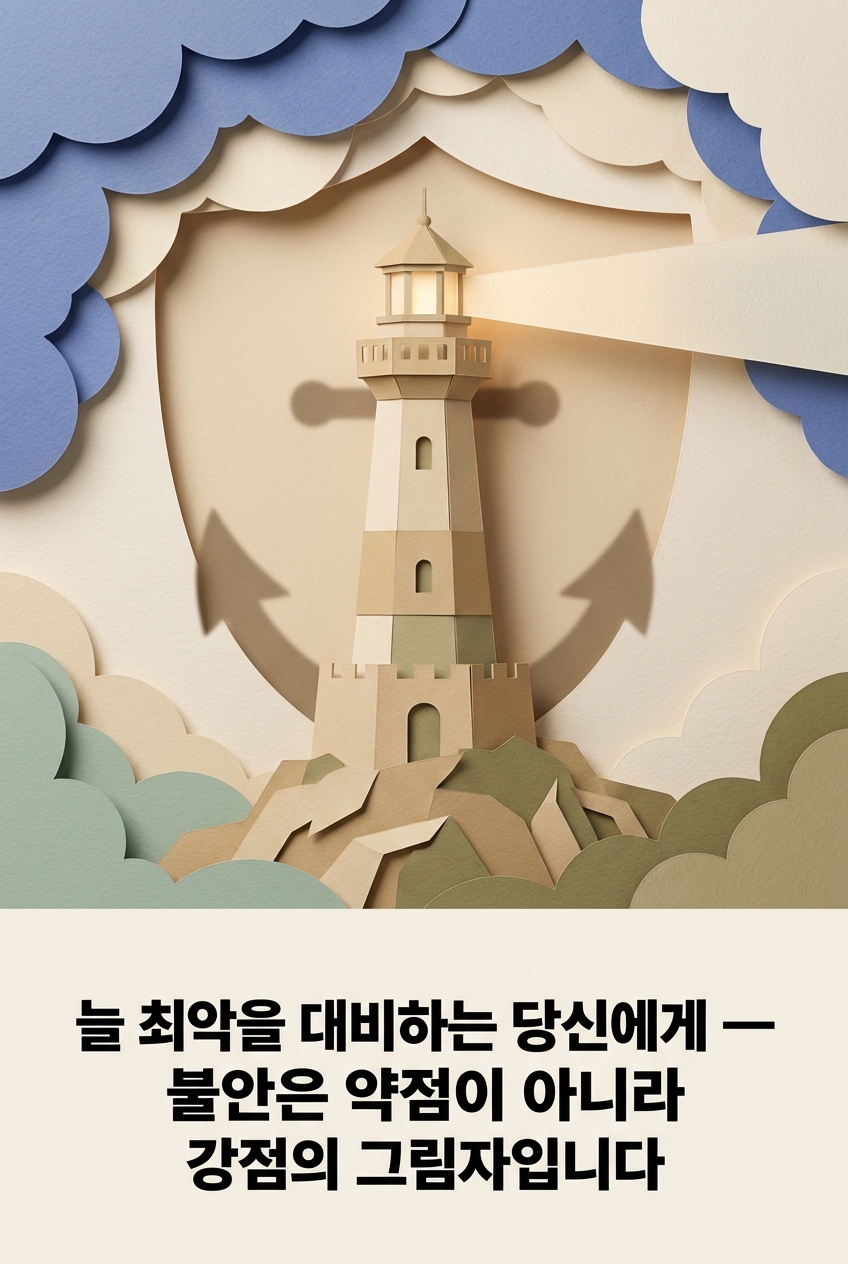
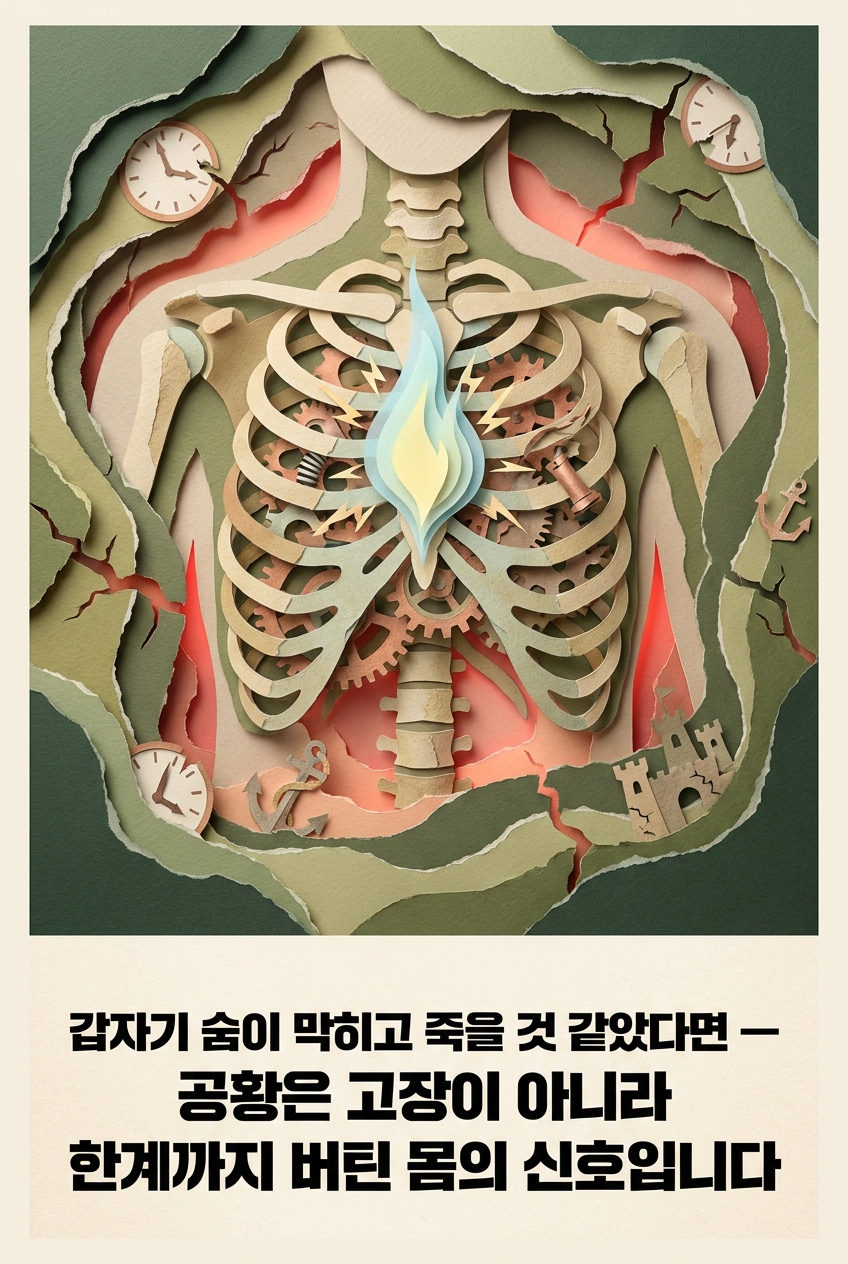
If You Suddenly Couldn't Breathe and Felt Like You Were Dying — Panic is Not a Malfunction, But Your Body's Signal That It Has Reached Its Limit

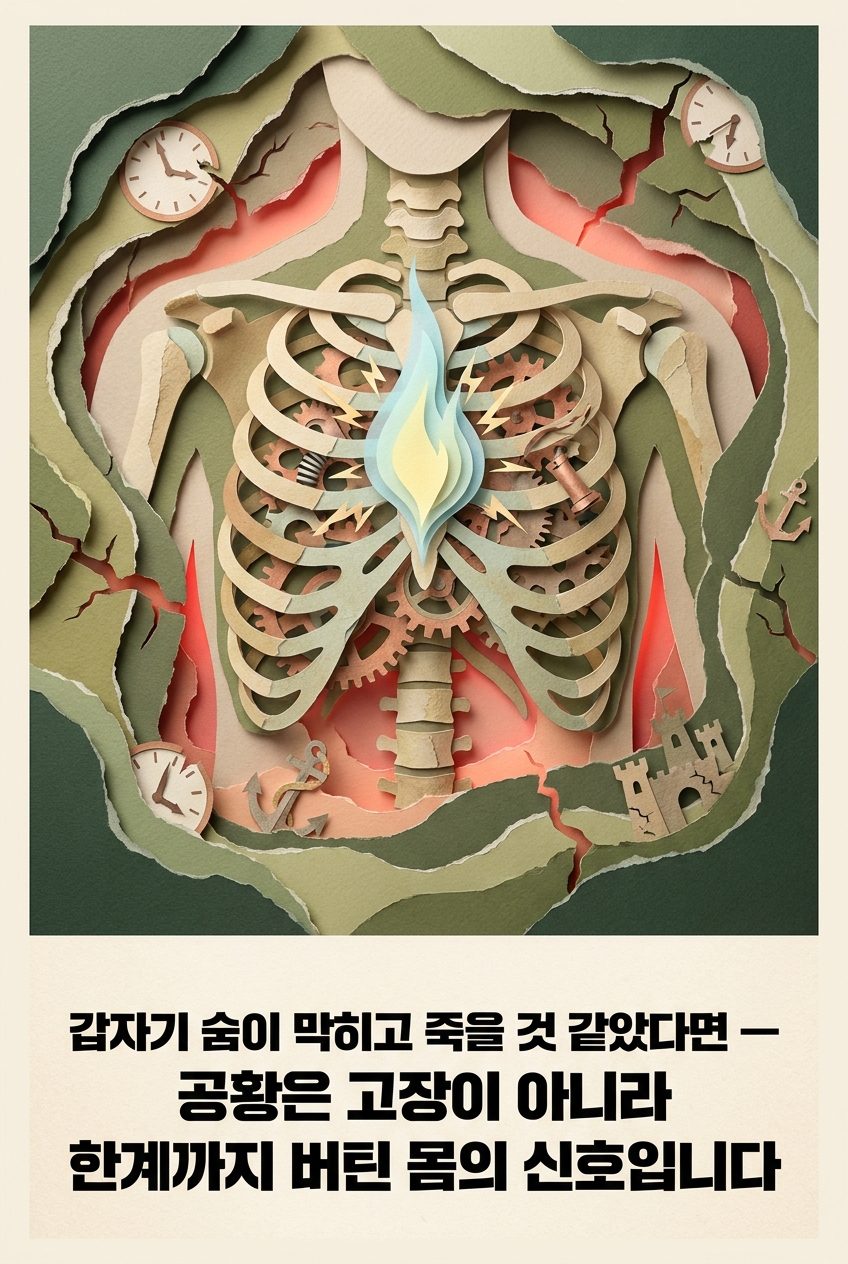 🧾 Answer First | Key Conclusion
A moment when your heart suddenly raced as if it would burst, you couldn't breathe, and you thought, "I'm going to die like this."
You went to the emergency room only to be told all tests came back normal.
I am Choi Jang-hyuk, director of Dongjedang Korean Medicine Clinic.
Let me tell you first.
Your body is not broken.
Your body, which endured until its limit, momentarily flipped the circuit breaker to prevent greater damage.
It's frightening but not dangerous, and it will definitely pass.
Let me address the three things that help manage that attack.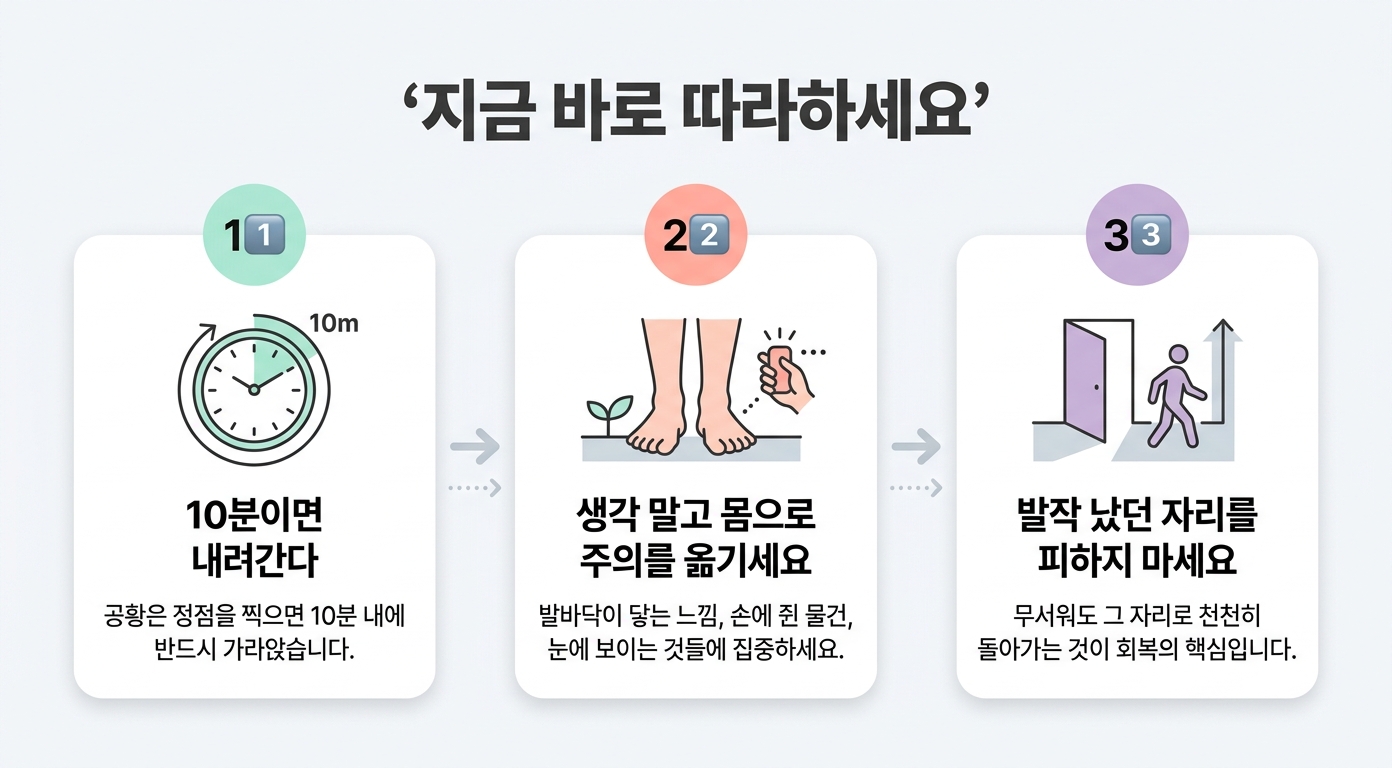 ✅ Action | Immediate Steps
1️⃣ Remember "It will come down in 10 minutes"
Panic always subsides once it reaches its peak.
It doesn't escalate endlessly.
When an attack comes, tell yourself internally, "This will break within 10 minutes."
Knowing you won't die is the first medicine you hear.
2️⃣ Shift your attention from your mind to your body
The thought of "What if it happens again" fuels the attack.
Come down from that thought to your body.
The feeling of your soles touching the ground, something in your hand, and three visible objects.
This is practice in anchoring yourself from a runaway mind to here and now.
3️⃣ Don't avoid the place where the attack occurred
If you avoid the subway because you had one episode there, next it's the bus, then going out becomes frightening.
The more you avoid, the wider the stage becomes.
Slowly returning to that place despite your fear is the key to recovery.
If attacks repeat even after trying these three things, that's a situation where we need to look together at why that alarm filled up to its limit.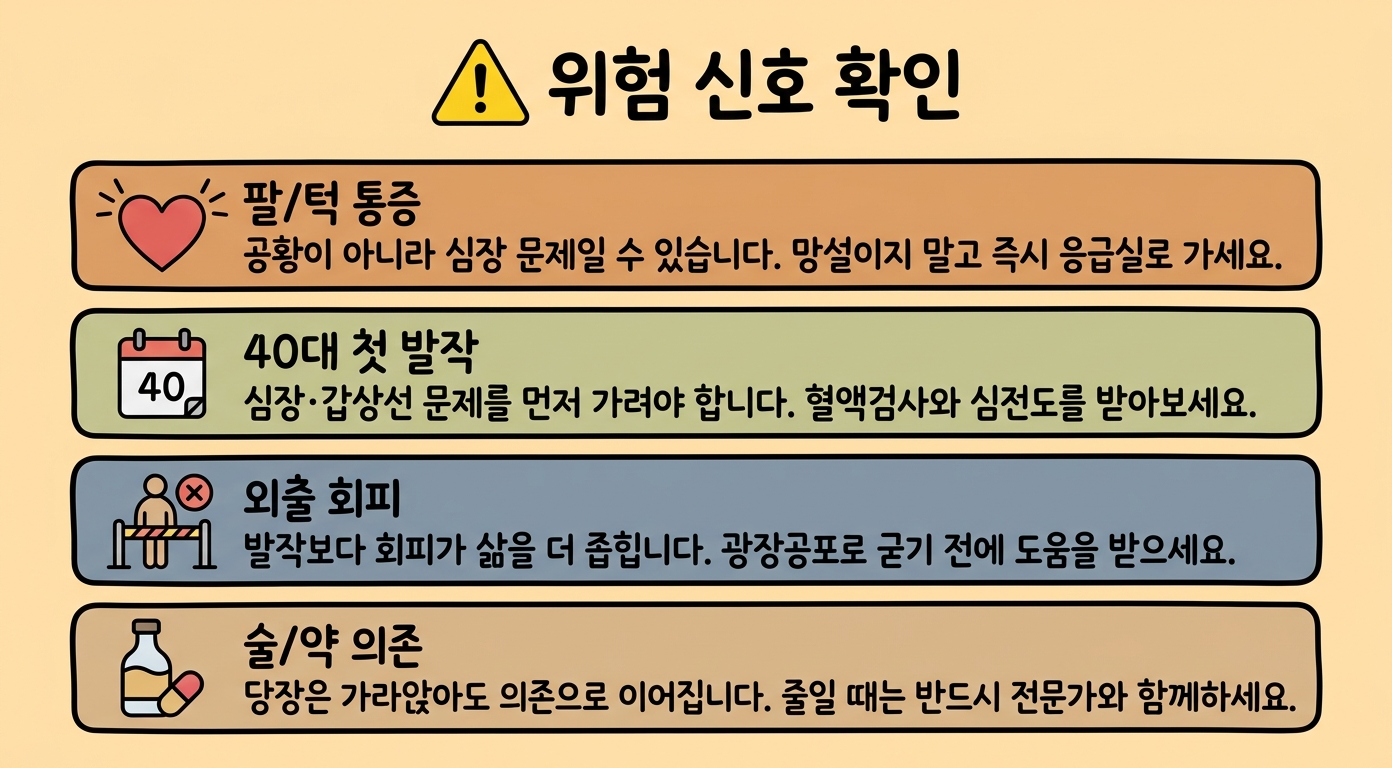 🚨 Warning | Critical Warning Signs That Must Be Checked
If you have the following signs, you need examination or consultation before Korean medicine management.
✔ Chest pain radiates to your left arm or jaw and you break out in cold sweat
It may not be panic but a heart problem. Don't hesitate—go to the emergency room immediately.
✔ This is the first attack you've ever experienced after age forty
You need to first rule out heart and thyroid problems. Get blood work and an EKG.
✔ You've started avoiding outings, driving, and public transportation
Avoidance narrows your life more than the attack itself. Get help before it becomes agoraphobia.
✔ You're managing attacks with alcohol or sedatives
Even if it calms immediately, it leads to dependency. When reducing, always work with a professional.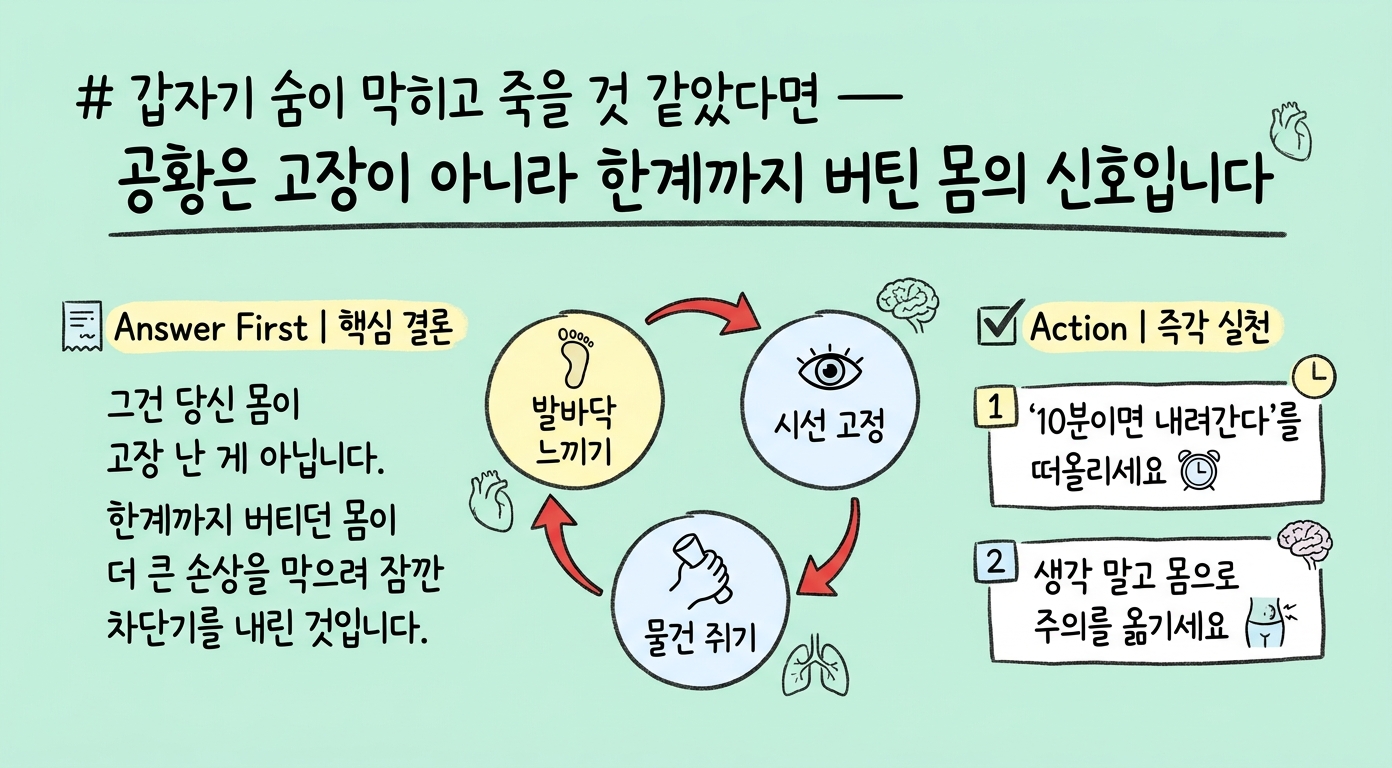 🧠 The Why | Cause Analysis
Explanation | Western Medical Perspective
Western medicine views panic as a malfunction of the alarm system.
Without actual threat, the fight-or-flight response that protects your body suddenly runs at full capacity.
Your heart races, breathing quickens, and your hands tingle.
It feels like you're dying, but that response itself is a mechanism designed to save you, so you're actually safe.
Medication reduces the frequency of attacks.
However, it doesn't ask why this person had an attack at this particular moment.
Explanation | Korean Medicine Perspective
Sasang medicine looks before that moment.
Panic is not a disease that suddenly appears from nothing.
The constant vigilance you've carried all along fills to its limit and suddenly ignites in that moment.
If the alarm that was always dimly on becomes unrelenting anxiety, panic is when that anxiety explodes past the threshold.
When electricity exceeds its limit, a circuit breaker flips down with a click.
It's not a malfunction but a safety device to prevent greater fire.
Panic is the same.
For people who carry responsibility heavily and endure to the end, when that enduring strength reaches its limit, the body protects itself by shutting down.
So panic doesn't come to weak people, but to those who have endured well for too long.
The path of returning triggered emotion back to its place, without destroying it, is explored more deeply in two directions of emotion management.
So constitutional treatment doesn't remove the alarm.
If we remove it, that power to endure to the end disappears too.
Instead, we reduce the pressure that has built up to its limit in advance, so the circuit breaker comes down less often.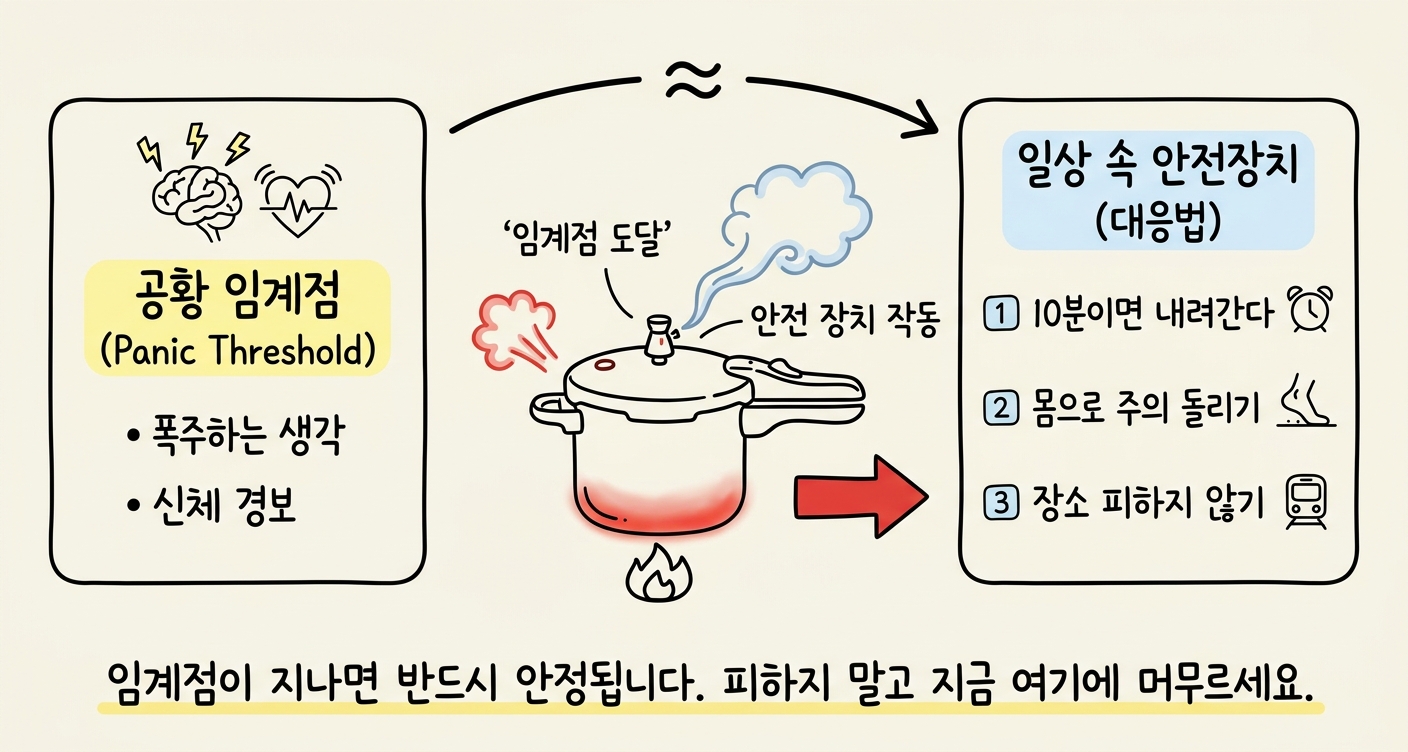
📊 Proof | Cases and Evidence
There was a man in his thirties working in an office. While driving, his heart suddenly raced as if it would burst and he couldn't breathe, so he pulled onto the shoulder and went to the emergency room. All tests were normal. The problem came next. He became afraid to grip the steering wheel, and gradually distanced himself from driving.
I didn't ask about "the day the attack first came" but rather "how did you endure the months before that?"
He had been carrying others' responsibilities for months without taking a single break.
The circuit breaker came down at a place where pressure had built to its maximum.
A similar case where nightly attacks visited became a matter of sleep panic disorder where falling asleep was frightening.
As we reduced the built-up pressure, the frequency of attacks decreased, and he was able to grip the steering wheel again.
He didn't become weaker; rather, the same strength no longer drove him so hard. 🔚 Closing | Summary and Encouragement
Panic is not a malfunction.
It is a shutoff your body lowered to protect itself when it had endured well until its limit.
If you learn not how to eliminate attacks but how to reduce instances of the circuit breaker coming down, that power becomes your ally again.
If you'd like to look at your heart together, consider our mental health program.
If you'd like to look together at the roots of tension accumulated in your body, explore our constitutional detox program and feel free to contact us.
✍️ Reviewed by Choi Jang-hyuk, Director of Dongjedang Korean Medicine Clinic
❓ FAQ
Q. Is a panic attack really not dangerous when it happens?
The attack itself is a response to protect your body, so it doesn't threaten your life in itself. It typically reaches its peak and subsides in around 10 minutes. However, if chest pain radiates to your arm or jaw, it could be a heart problem, so get checked first if it's your first time.
Q. Do you absolutely have to take medication for panic disorder?
Medication reduces the frequency and intensity of attacks. However, medication doesn't change why the alarm filled to its limit. Don't stop abruptly—decisions to reduce or combine it should be made with a professional.
Q. Why does panic suddenly come when nothing is happening?
Nothing is happening at that moment, but tension has accumulated before. In a state of being at the limit, the circuit breaker comes down even with minor stimulation. It seems sudden, but from your body's perspective, it's the accumulated result of a long time.
Q. Why do you recommend constitutional treatment or detox for panic?
Constitutional treatment observes in which direction that person's vigilance has become excessive and reduces the pressure in advance. When you empty both the physical tension accumulated in your body and the psychological burden within, the instances of the circuit breaker coming down decrease.
📚 Reference Materials
[Western Medicine (WM)]
[1] Fight-or-flight response and autonomic hyperarousal model of panic disorder
[2] Self-sustaining cognitive model of panic attacks — catastrophic misinterpretation of bodily sensations
[3] Expansion to avoidance behavior and agoraphobia
[Korean Medicine (KM)]
[4] Korean Academy of Oriental Neuropsychiatry. 『Korean Medicine Standard Clinical Practice Guideline for Panic Disorder』
[5] Lee Je-ma. 『Dongui Susebowon』 — The Upheaval of Constancy (恒心) and Emotional Triggers (情志) by Constitution
[6] Choi Jang-hyuk. 「Harmonization (調律) and Transformation (變換) — Two Directions of Sasang Cultivation Theory and Jung's Purpose of Individuation」 Sowon-jae 2026